Professional vs. At-Home Whitening: Which Is Right for You?
Choosing the right whitening method depends on your budget, time, and the current health of your enamel. While home remedies are excellent for maintenance, professional treatments offer transformative results. Below is a quick comparison to help you decide.
| Method | Effectiveness | Cost |
|---|---|---|
| Natural Remedies | Subtle / Surface stains | Very Low |
| Over-the-Counter (Strips) | Moderate (2-4 shades) | Medium |
| In-Office (Dentist) | High (up to 8 shades) | High |
🌿 Natural Methods: The Gentle Approach
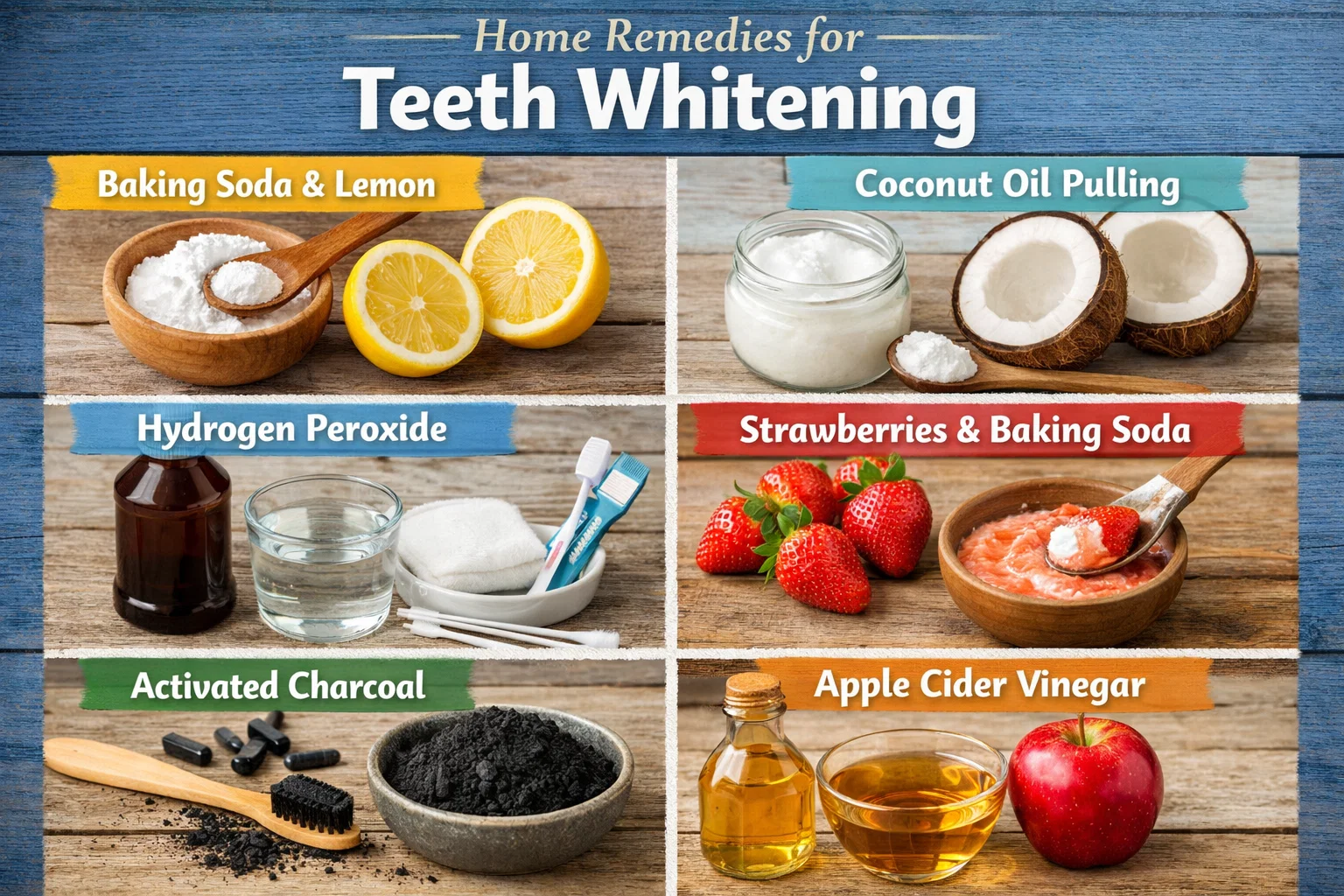
As discussed in our guide on home remedies for teeth whitening, methods like oil pulling and baking soda focus on removing extrinsic stains (surface stains). These are best for people with sensitive teeth or those looking for a chemical-free routine.
Best for: Daily maintenance and prevention of new stains.
📦 Over-the-Counter (OTC) Products
Whitening strips and trays from the pharmacy usually contain a lower concentration of peroxide than professional kits. They are convenient but can be tricky to apply evenly, sometimes leading to „spotty” whitening if the strip doesn’t touch the entire tooth surface.
- Pros: Affordable, accessible, visible results in 1-2 weeks.
- Cons: Risk of gum irritation if the gel leaks.
🏥 Professional Dental Whitening
If you have deep, intrinsic stains or need results for a special event, the dentist’s chair is the gold standard. Using high-concentration hydrogen peroxide gels—often activated by specialized LED or laser light—dentists can whiten teeth significantly in just one session.
The Verdict: Which One to Choose?
If you are on a budget and want to improve your health, start with natural home remedies. If you want a noticeable change before a wedding or interview, OTC strips are a good middle ground. However, if you have stubborn yellowing and want the safest, fastest results, professional whitening is worth the investment.
❓ Whitening Comparison: FAQ
A professional session takes about 60 minutes and can brighten teeth by 8 shades. Achieving similar results with over-the-counter strips typically takes 7 to 14 consecutive days of application.
Because the concentration of peroxide is higher, temporary sensitivity is possible. However, dentists use protective gels for your gums and desensitizing agents that OTC products lack.
Yes! Many people use natural methods like oil pulling to maintain the results achieved at the dentist’s office. Just avoid abrasive scrubs (like baking soda) immediately after a professional session.
Author’s Note & Disclaimer: The comparison provided above, including cost estimates and effectiveness ratings, is based on the author’s personal research and opinion. It is not a substitute for clinical advice. Professional dental procedures should only be performed by licensed practitioners. Before choosing any whitening path, a professional dental check-up is recommended to ensure your teeth and gums are healthy enough for treatment.