BMI vs. Body Fat Percentage: Which Metric Matters Most?
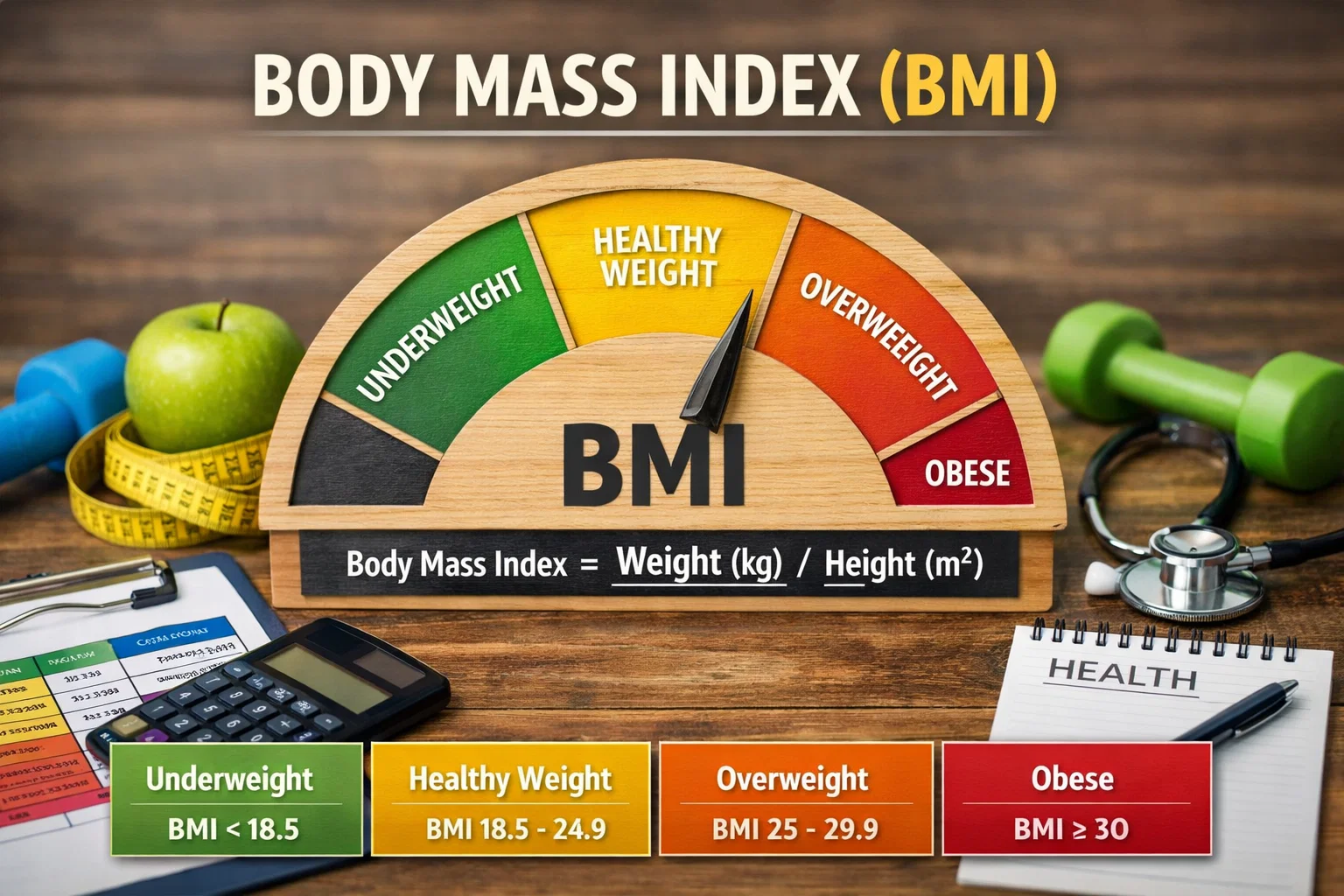
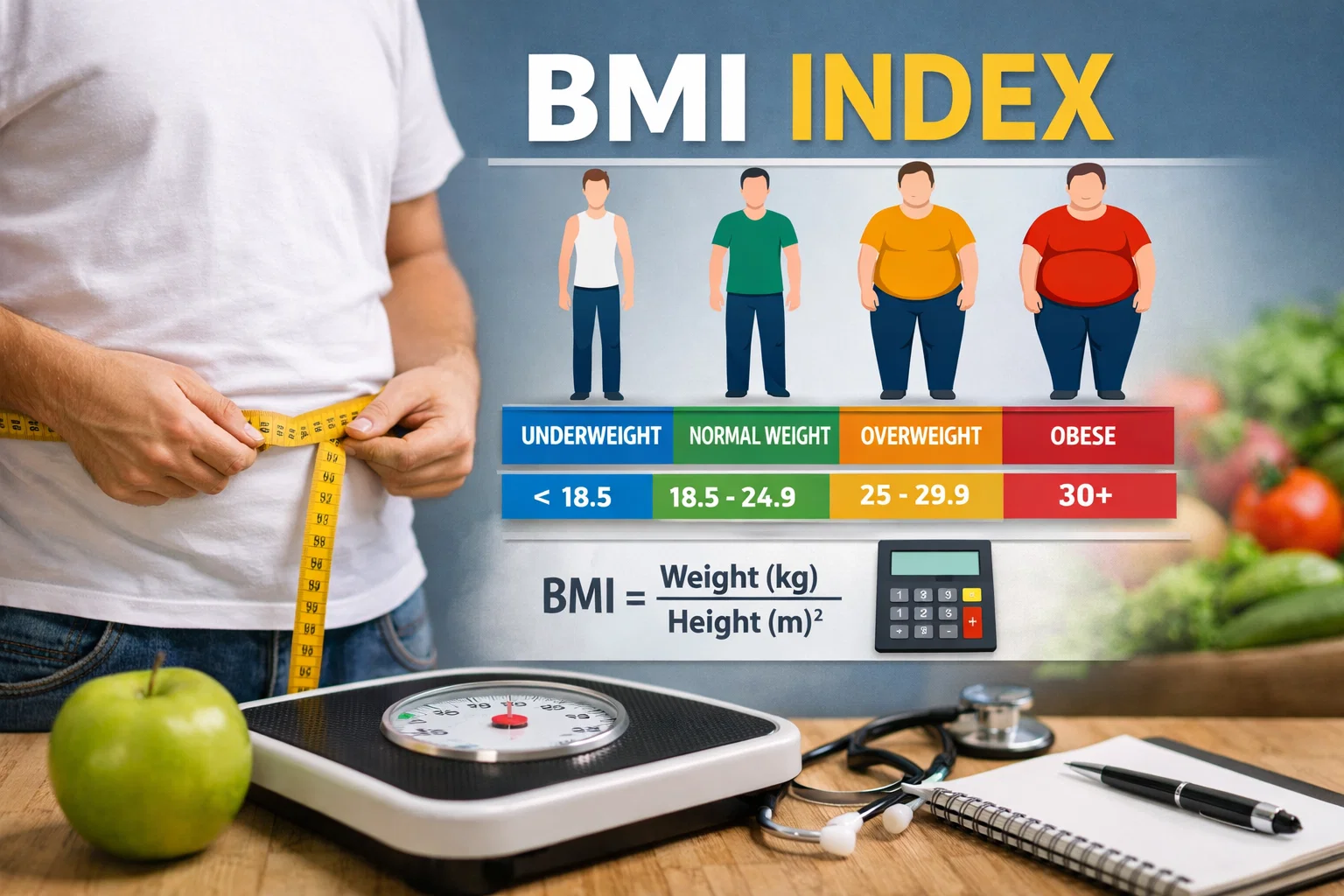
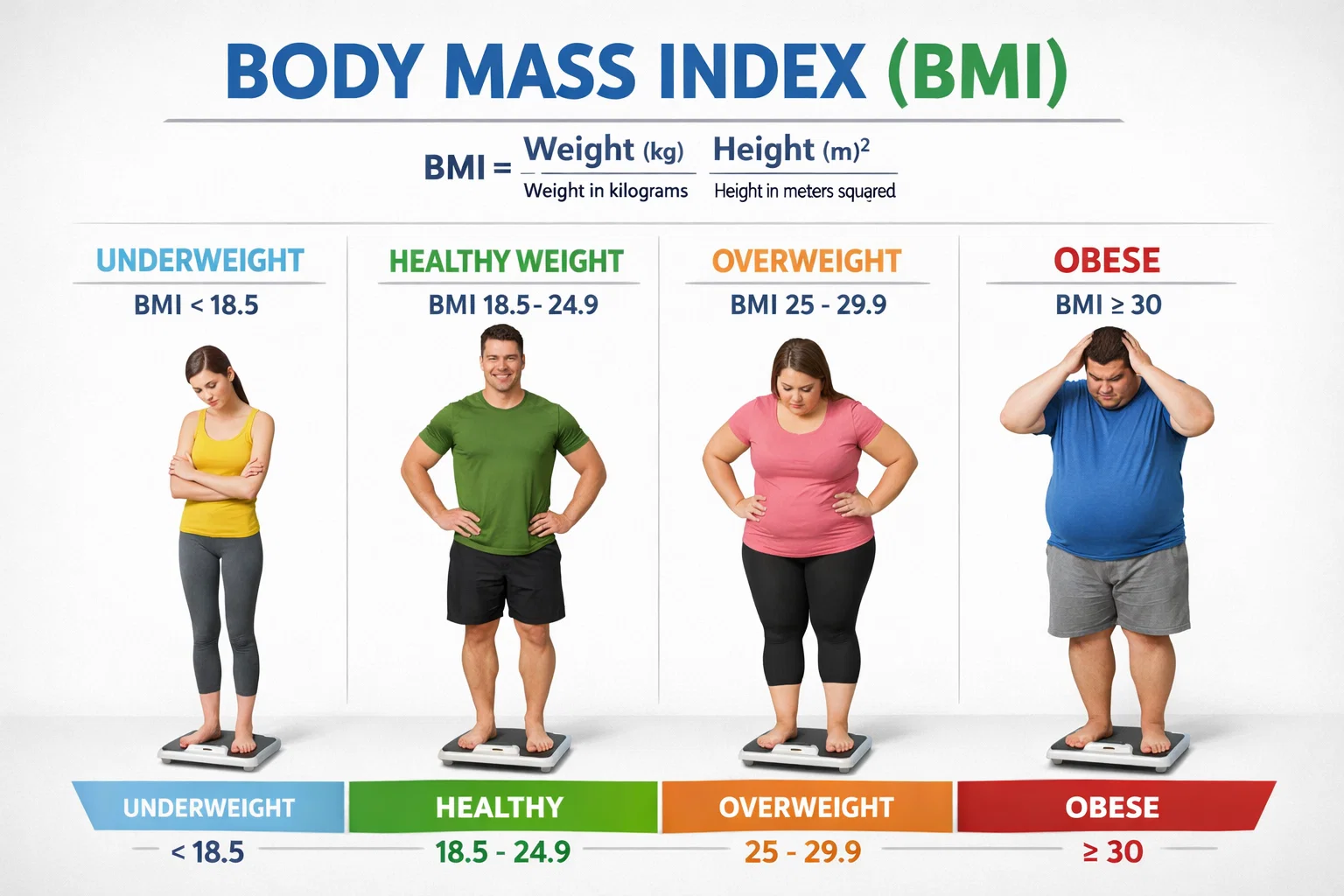
When assessing health and fitness, two terms dominate the conversation: Body Mass Index (BMI) and Body Fat Percentage (BFP). While often used interchangeably, they measure completely different things. Understanding the distinction is the first step toward a realistic health transformation.
What is BMI?
A simple proxy for body fatness based only on height and weight. It treats your body as a single mass, regardless of what that mass consists of.
What is BFP?
The actual percentage of your total mass that is adipose tissue (fat) versus lean mass (muscles, bones, organs, and water).
BMI and Health Risks: Why Doctors Still Use It
Despite its flaws, BMI remains a powerful tool for predicting long-term health outcomes on a population level. High BMI scores are statistically correlated with several metabolic and chronic conditions:
- Cardiovascular Disease: A BMI over 30 significantly increases the strain on the heart and the risk of hypertension.
- Type 2 Diabetes: Excess weight is a primary driver of insulin resistance.
- Joint Issues: Every extra point of BMI adds significant mechanical pressure on knees and hips.
- Sleep Apnea: Increased neck circumference associated with higher BMI can obstruct airways during sleep.
However, the „Obesity Paradox” shows that some people with a high BMI (due to muscle) have perfect metabolic health, while some with a „normal” BMI are at high risk due to hidden visceral fat.
When BMI Fails: Athletes & Skinny Fat
There are two specific scenarios where Body Fat Percentage is far superior to BMI:
1. The „Muscular” Overweight
Bodybuilders and athletes often have a BMI of 28–32. While BMI labels them „Obese,” their body fat might be 10–12%. They are metabolically elite, not at risk.
2. The „Skinny Fat” (TOFI)
„Thin Outside, Fat Inside.” A person with a BMI of 22 might have very low muscle and 30% body fat. They often face the same health risks as someone clinically obese.
When BMI Fails: Athletes & Skinny Fat
There are two specific scenarios where Body Fat Percentage is far superior to BMI:
1. The „Muscular” Overweight
Bodybuilders and athletes often have a BMI of 28–32. While BMI labels them „Obese,” their body fat might be 10–12%. They are metabolically elite, not at risk.
2. The „Skinny Fat” (TOFI)
„Thin Outside, Fat Inside.” A person with a BMI of 22 might have very low muscle and 30% body fat. They often face the same health risks as someone clinically obese.
The Verdict
Don’t throw BMI away, but don’t let it be your only metric. For a complete health picture, follow the Rule of Three:
- BMI: Use it as a general baseline for weight status.
- Waist-to-Height Ratio: A simple measure of abdominal fat (your waist should be less than half your height).
- Body Fat Percentage: The gold standard for body composition. Measure this via DEXA scans, skinfold calipers, or bioelectrical impedance scales.
„Focus on composition, not just the scale. Muscles weigh more than fat, but they save lives.”