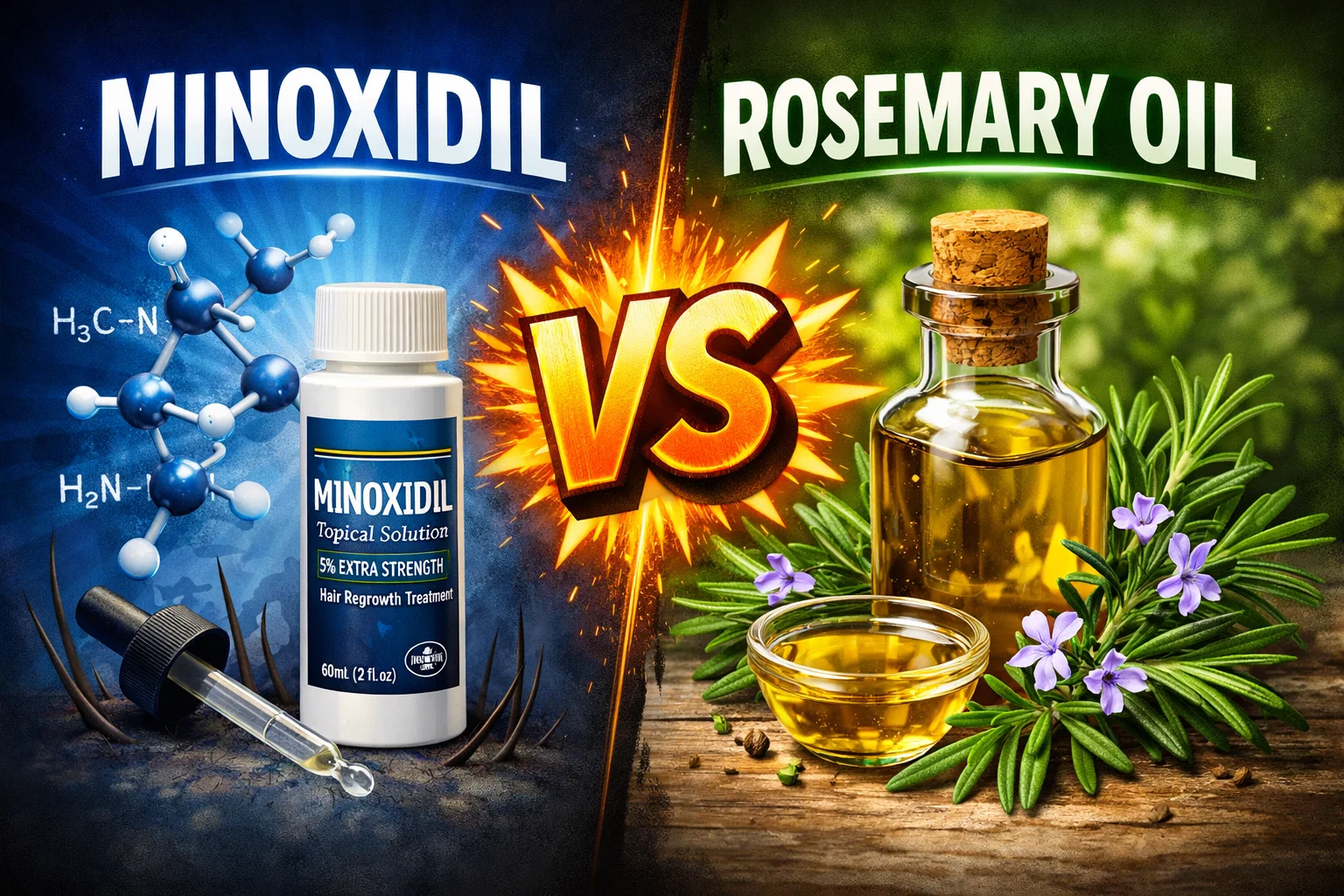
Minoxidil vs. Rosemary Oil
Clinical Science vs. Nature’s Remedy for Hair Regrowth
The Search for Growth
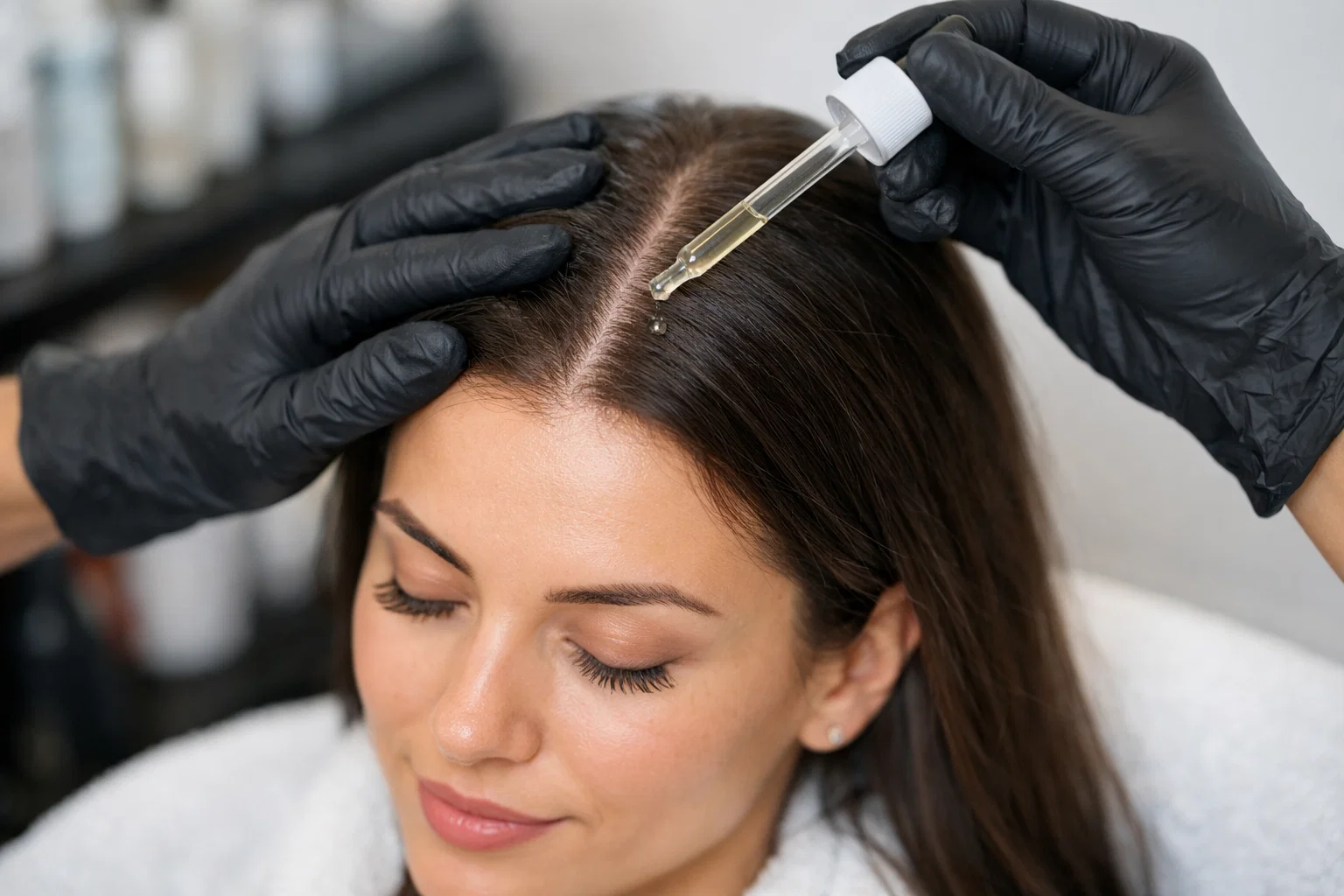
In the world of hair restoration, two names consistently surface: Minoxidil, the gold standard of pharmaceutical treatments, and Rosemary Oil, the herbal powerhouse trending on social media. But which one actually deserves a place in your routine?
Minoxidil
An FDA-approved vasodilator originally used for blood pressure. It works by widening blood vessels and opening potassium channels to stimulate follicles.
Rosemary Oil
A botanical extract believed to improve circulation and reduce cellular inflammation, often compared to minoxidil in recent clinical trials.
What Does the Science Say?
A landmark study in 2015 compared Rosemary Oil to 2% Minoxidil. The results showed that after 6 months, both groups experienced similar significant increases in hair count.
| Factor | Minoxidil (Rogaine) | Rosemary Essential Oil |
|---|---|---|
| Speed of Results | Moderate (3-6 months) | Slower (6+ months) |
| Scalp Irritation | Common (Itching/Dryness) | Low (if diluted correctly) |
| Application | Twice daily (Foam/Liquid) | Daily massage (Diluted) |
| Side Effects | Systemic absorption rare but possible | Minimal; localized only |
Which One is Right for You?
Your choice depends on your lifestyle and the root cause of your hair thinning:
- Choose Minoxidil if: You want an FDA-approved, high-convenience foam and are dealing with advanced male or female pattern baldness.
- Choose Rosemary Oil if: You prefer a natural, holistic approach and have a sensitive scalp that reacts poorly to alcohol-based pharmaceutical formulas.
The content published on this portal is for informational and educational purposes only and represents the views and opinions of the authors. It is not intended to be a substitute for professional medical advice, diagnosis, or treatment. We strongly recommend that you consult with a licensed physician or dermatologist before starting any new hair loss treatment or supplement regimen.
Proper Application for Maximum Results
Consistency is the most important factor in hair regrowth. Here is how to incorporate these treatments into your daily routine:
Applying Minoxidil
- Dry Your Scalp: Ensure your hair and scalp are completely dry before application.
- Measure the Dose: Use exactly 1ml (liquid) or half a capful (foam).
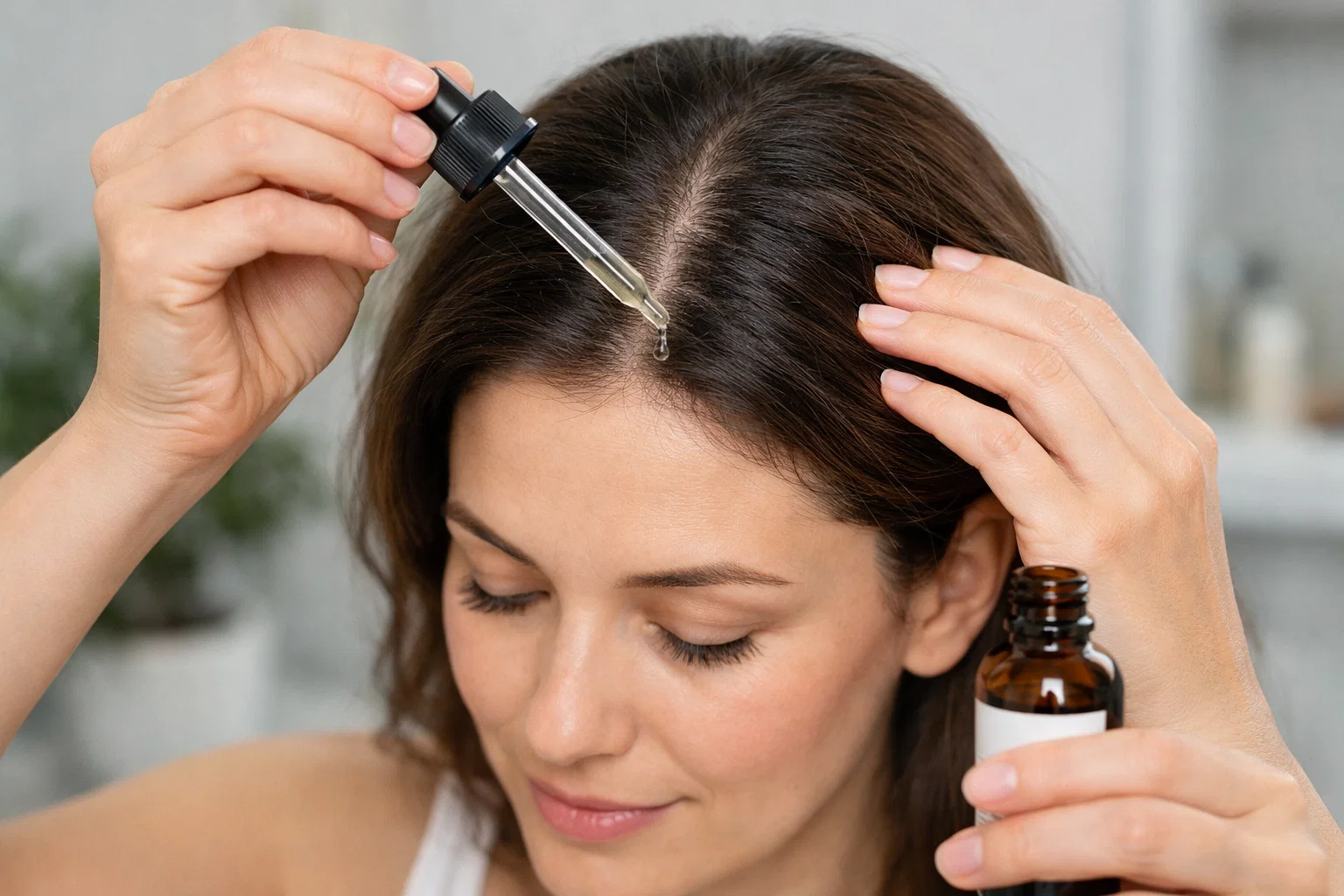
- Target the Skin: Part your hair to expose the thinning areas and apply directly to the scalp skin, not just the hair.
- Massage & Wash: Gently rub it in with your fingers, then wash your hands immediately to avoid unwanted hair growth elsewhere.
- Wait: Let it dry for 2–4 hours before styling or going to bed.
Applying Rosemary Oil
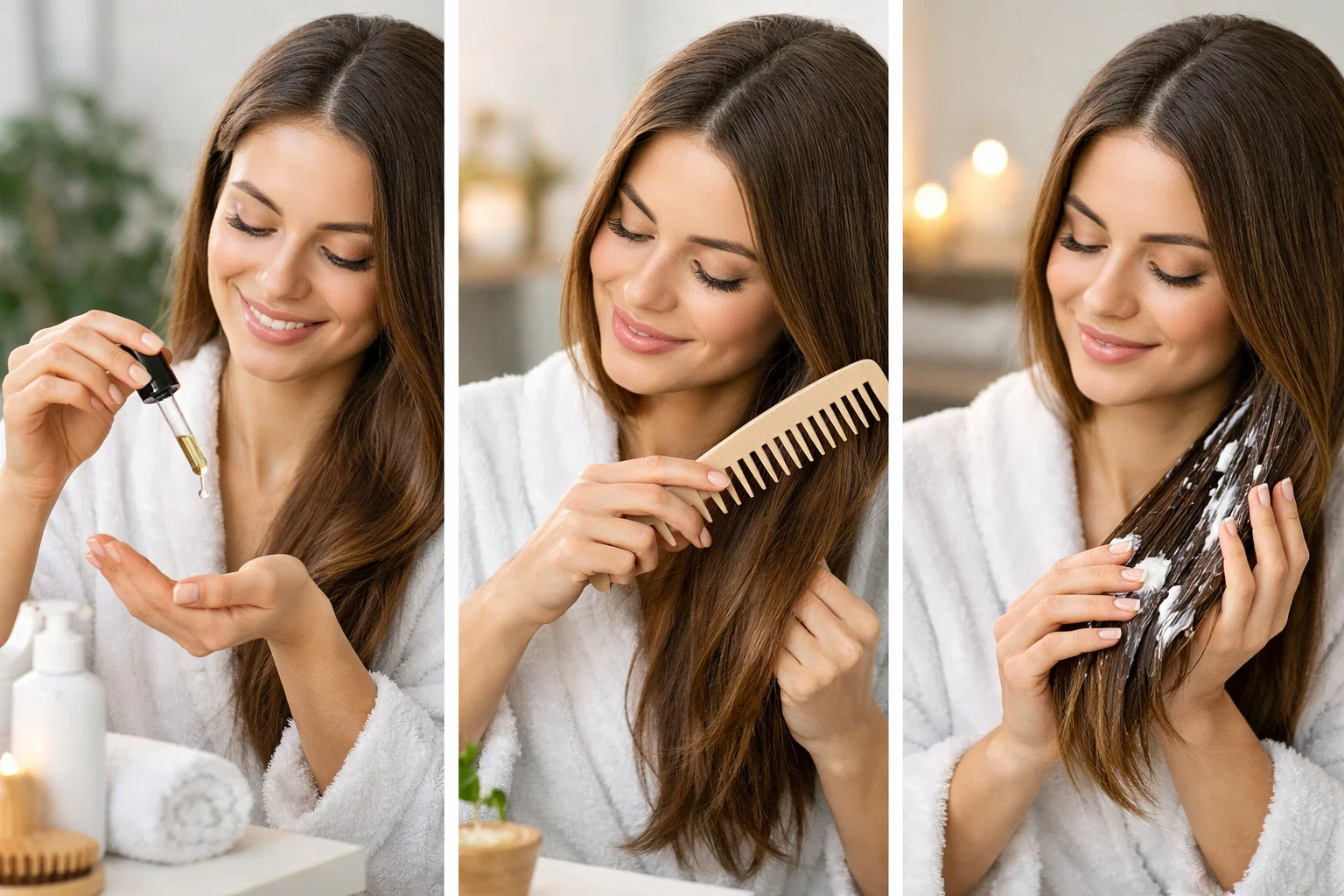
- Dilution is Key: Never apply pure essential oil. Mix 2–3 drops of Rosemary oil with a carrier oil (like Jojoba, Almond, or Grapeseed).
- The Massage: Apply the mixture to your scalp and massage firmly for 5 minutes to stimulate blood flow.
- Leave-in Time: Leave the oil on for at least 30 minutes. For deep treatment, leave it overnight.
- Consistency: Use it at least 2–3 times a week, though daily application is often recommended for best results.
- Shampoo: Wash your hair thoroughly after use to prevent clogged pores or a greasy appearance.
The content published on this portal is for informational and educational purposes only and represents the views and opinions of the authors. It is not intended to be a substitute for professional medical advice, diagnosis, or treatment. We strongly recommend that you consult with a licensed physician or dermatologist before starting any new hair loss treatment or supplement regimen.
Side Effects & Safety Profile
Before choosing your treatment, it is essential to understand the potential side effects. While one is a pharmaceutical and the other a botanical, both can cause reactions.
| Potential Side Effect | Minoxidil (Rogaine) | Rosemary Essential Oil |
|---|---|---|
| Scalp Irritation | High (often due to propylene glycol in liquid versions). Causes redness, itching, and flaking. | Low to Moderate. Usually only occurs if the oil is not properly diluted. |
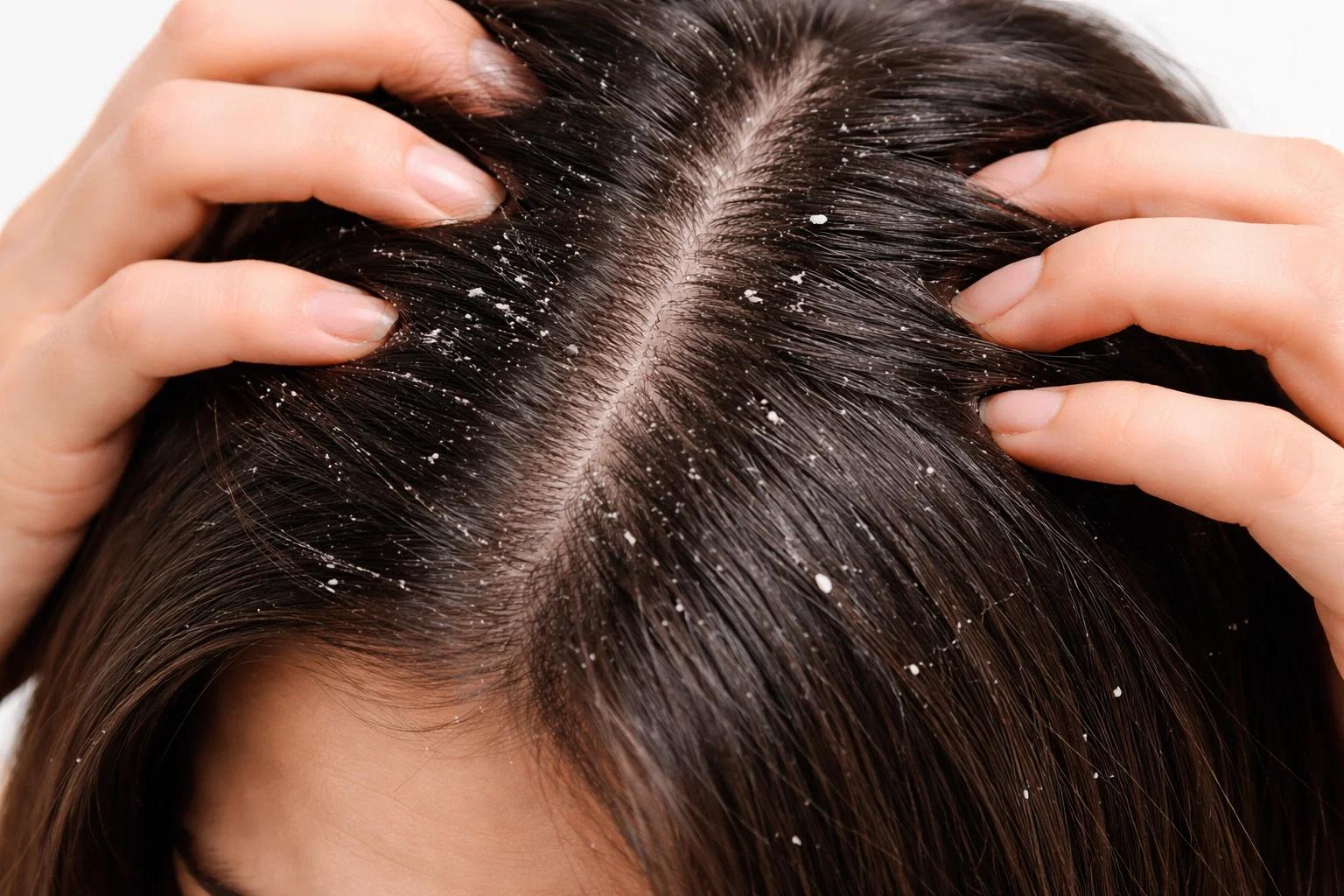
| Initial Shedding | Common („Dread Shed”). Occurs as old hairs are pushed out to make room for new growth. | Rare. Generally does not trigger a synchronized shedding phase. |
| Unwanted Hair Growth | Possible if the product drips onto the forehead or face. | Highly Unlikely. |
| Dizziness/Heart Palpitations | Rare, but possible due to systemic absorption of the vasodilator. | None reported for topical use. |
| Allergic Reaction | Possible. Can manifest as contact dermatitis. | Possible. Essential oils are potent allergens for some individuals. |
Regardless of which you choose, perform a patch test first. Apply a small amount of the product to the inside of your elbow and wait 24 hours to check for any redness or allergic reaction before applying it to your entire scalp.
The content published on this portal is for informational and educational purposes only and represents the views and opinions of the authors. It is not intended to be a substitute for professional medical advice, diagnosis, or treatment. We strongly recommend that you consult with a licensed physician or dermatologist before starting any new hair loss treatment or supplement regimen.
The Final Verdict
The choice between Minoxidil and Rosemary Oil isn’t necessarily about which is „better,” but which fits your biology and lifestyle:
Frequently Asked Questions
Q: Can I use both together?
A: Some people do use both, applying Minoxidil in the morning and Rosemary Oil in the evening. However, this may increase the risk of scalp irritation. Consult a dermatologist before combining treatments.
Q: Is Rosemary oil safe for color-treated hair?
A: Generally, yes. In fact, many carrier oils used with Rosemary can help add shine and moisture to chemically treated hair.
Q: If I stop using them, will my hair fall out?
A: For Minoxidil, hair loss will usually resume within a few months of stopping. For Rosemary oil, the data is less clear, but most hair growth treatments require long-term consistency to maintain results.
The content published on this portal is for informational and educational purposes only and represents the views and opinions of the authors. It is not intended to be a substitute for professional medical advice, diagnosis, or treatment. We strongly recommend that you consult with a licensed physician or dermatologist before starting any new hair loss treatment or supplement regimen.