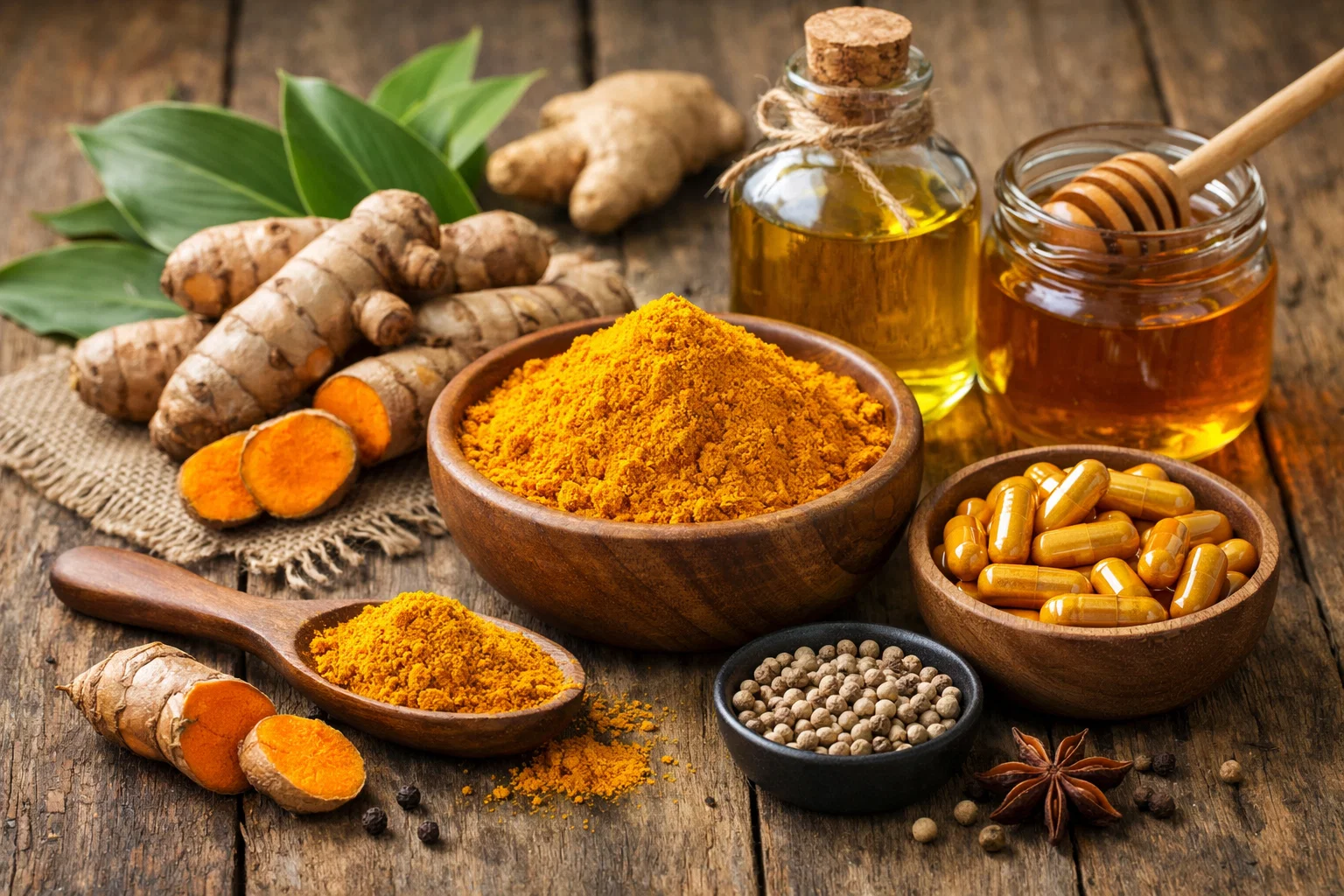
Turmeric, a vibrant yellow-orange spice derived from the root of the Curcuma longa plant, has been used for thousands of years in traditional medicine and as a culinary ingredient. Originating from Southeast Asia, particularly India, turmeric is renowned for its rich history and cultural significance. However, its most remarkable attribute lies in its profound health benefits, primarily due to the active compound curcumin, which is responsible for most of the spice’s medicinal properties.
Turmeric at a Glance
Main Active Compound: Curcumin
Immune System
Modulates the activation of T-cells, B-cells, and macrophages. Enhances antibody responses.
Digestive Health
Stimulates gallbladder bile production and helps manage gut inflammation and bloating.
Cardiovascular
Improves the function of the endothelium and helps regulate blood pressure and clotting.
Cognitive Function
Boosts levels of Brain-Derived Neurotrophic Factor (BDNF) and may delay brain diseases.
Key Health Benefits of Turmeric
Extensive clinical research has demonstrated that incorporating turmeric into your diet offers multiple therapeutic advantages:
- Anti-Inflammatory Power: Curcumin targets inflammation at the molecular level by blocking NF-kB, a molecule that travels into the nuclei of your cells and turns on genes related to inflammation.
- Potent Antioxidant: It neutralizes free radicals while simultaneously stimulating your body’s own antioxidant enzymes.
- Neurotrophic Support: Boosts levels of the brain hormone BDNF, which increases the growth of new neurons and fights various degenerative processes in the brain.
- Endothelial Function: Helps improve the function of the lining of your blood vessels, which is a major driver of heart health and blood pressure regulation.
„Curcumin is a bioactive substance that fights inflammation at the molecular level, matching the effectiveness of some anti-inflammatory drugs without the side effects.”
Clinical Context
Modern medicine increasingly recognizes that chronic, low-level inflammation plays a major role in almost every chronic Western disease. This includes heart disease, cancer, metabolic syndrome, and Alzheimer’s. Therefore, anything that can help fight chronic inflammation is of potential importance in preventing and even treating these diseases.
The Power of Curcumin
Curcumin is the primary bioactive substance in turmeric, representing about 2-5% of its content. As a potent antioxidant and anti-inflammatory agent, it is the subject of extensive clinical studies for preventing and treating diverse health conditions.
Chronic Inflammation
Curcumin inhibits cytokines and enzymes that drive inflammation. It matches the effectiveness of some anti-inflammatory drugs without the gastrointestinal side effects.
Targets: Arthritis, IBD, Heart DiseaseOxidative Stress
Its chemical structure neutralizes free radicals directly. Simultaneously, it boosts your body’s own antioxidant enzymes, creating a double-action defense system.
Cardiovascular Health
Improves endothelial function (the lining of blood vessels). It regulates blood pressure, prevents LDL oxidation, and reduces overall cholesterol levels.
Brain & BDNF
It crosses the blood-brain barrier to boost BDNF (Brain-Derived Neurotrophic Factor), a growth hormone that repairs neurons and fights depression and Alzheimer’s.
Anti-Cancer Potential
Studies suggest it can induce apoptosis (cell death) in cancer cells and reduce tumor spread, particularly in the digestive system (colorectal cancer).
Joint Relief
Clinical trials show curcumin is as effective as certain NSAIDs in reducing joint pain and swelling for osteoarthritis and rheumatoid arthritis patients.
☀️ Mood & Depression
Beyond BDNF, curcumin influences neurotransmitters like serotonin and dopamine. In several studies, it was found to be as effective as standard antidepressants in alleviating mood disorder symptoms.
How to Use Turmeric in Practice
Incorporating turmeric into your daily routine is simple. Here are two of the most effective ways to enjoy its health benefits:
Golden Milk (Immunity Boost)
A soothing, traditional Ayurvedic drink known for its calming and anti-inflammatory properties.
Ingredients:- 1 cup of plant-based milk (almond or coconut)
- 1/2 tsp Turmeric powder
- 1/4 tsp Ground cinnamon
- Pinch of black pepper (essential!)
- 1 tsp Honey or maple syrup
Metabolism Shot (Morning Energy)
A powerful, zesty shot to kickstart your digestion and wake up your metabolism.
Ingredients:- Juice of 1/2 Lemon
- 1/4 tsp Turmeric powder
- 1/2 inch Fresh Ginger (grated)
- Pinch of Cayenne pepper
- 2 tbsp Warm water
Maximizing Curcumin Absorption
By itself, curcumin is poorly absorbed into the bloodstream. To unlock its full potential, use these three scientifically proven methods:
The „Piperine” Bridge
Black pepper contains piperine, a natural substance that inhibits the metabolic pathway that eliminates curcumin. This simple combination enhances absorption by up to 2000%.
Fat Solubility
Curcumin is lipophilic (fat-soluble). Consuming it with healthy fats—like avocado, olive oil, or coconut milk—allows it to be absorbed directly into the lymphatic system, bypassing the liver’s first-pass metabolism.
Advanced Formulations
Modern supplements use nanoparticles, phospholipid complexes (Phytosomes), or micelles to mimic the way the body absorbs fats, significantly increasing bioavailability compared to standard powder.
Frequently Asked Questions
Quick answers to common questions about turmeric and curcumin.
- People on blood thinners: Turmeric may enhance the effect of anticoagulant drugs.
- Individuals with Gallstones: It can stimulate gallbladder contractions.
- Those with Iron Deficiency: Turmeric may inhibit iron absorption.
- Pregnant Women: Culinary amounts are fine, but medicinal supplements are not recommended.
However, it’s essential to consult with a healthcare provider before starting any new supplement regimen, especially for those with existing health conditions or those taking medication, as curcumin can interact with certain drugs. With its rich history and proven health benefits, turmeric remains a staple in both traditional and modern medicine, offering hope and healing for a wide range of ailments.