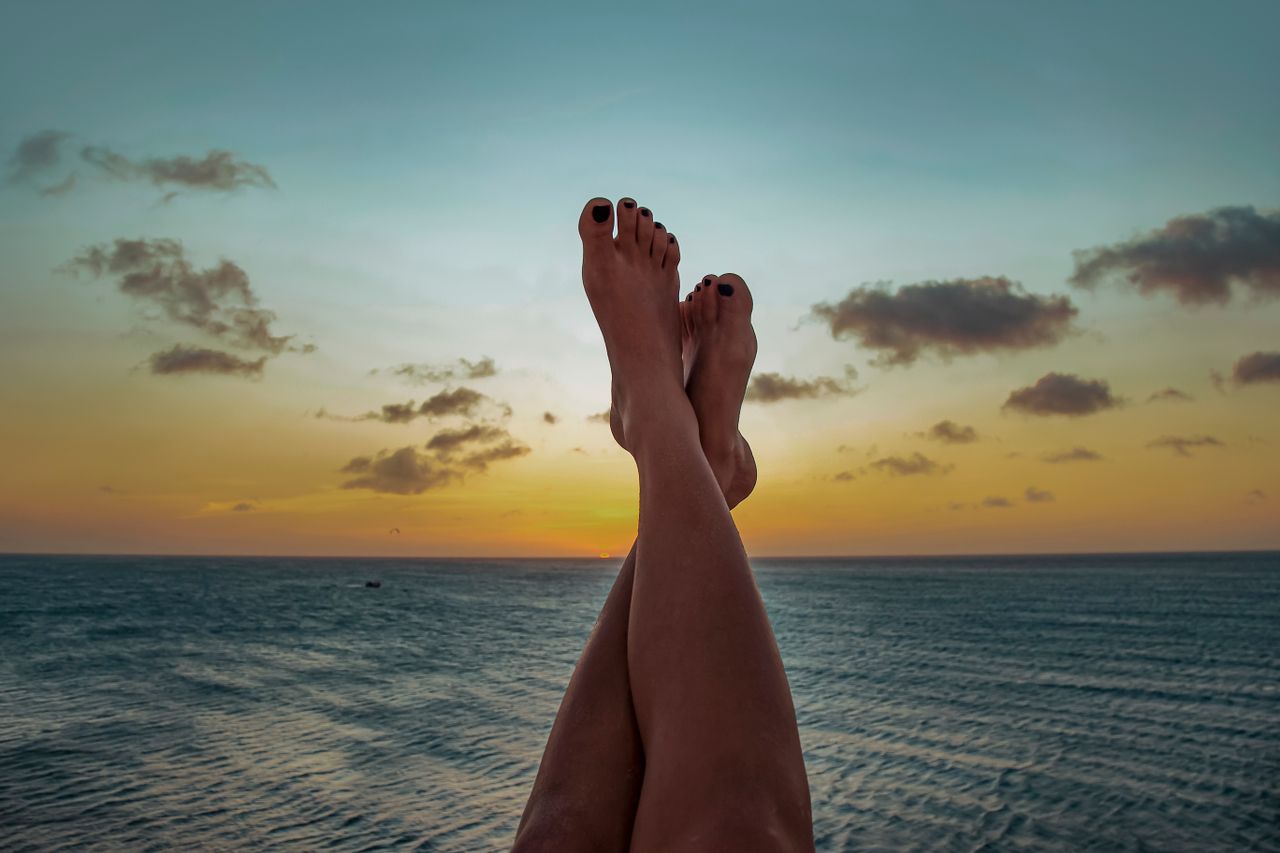
Feet typically swell by the end of the day because gravity pulls fluid down into the lower legs while you sit or stand, and your calf muscles – which normally pump blood and lymph back upward – get less of a workout. This is called gravity-dependent swelling, and in most people it’s a normal, temporary form of peripheral edema that resolves overnight. However, swelling that’s painful, one-sided, or doesn’t go away by morning can point to venous insufficiency, lymphedema, or a circulatory or kidney problem that deserves medical attention.
What Is Foot Swelling and Why It Happens
Peripheral edema is the medical term for fluid accumulation in the tissues of the lower limbs. Throughout the day, small amounts of fluid naturally leak out of capillaries into surrounding tissue. Normally, the lymphatic system and leg muscle contractions push this fluid back into circulation. But after hours of standing or sitting – especially with the legs bent at a desk or in a car – venous return slows down, fluid pools around the ankles and feet, and you notice puffiness, tight shoes, or indentations from socks by evening.
This is distinct from pathological edema caused by heart, kidney, or vein disease, though the visible result looks similar. Ordinary end-of-day swelling is usually mild, symmetrical (both feet equally), and painless, improving significantly after a night of lying flat.
Everyone experiences some degree of gravity-dependent fluid shift during the day. It only becomes a concern when swelling is severe, asymmetrical, accompanied by pain or skin changes, or fails to resolve with rest and elevation.
Specific Triggers and Situations
Several everyday factors can intensify normal swelling or cause it to appear more quickly:
- One foot swelling more than the other – this is often caused by a local issue such as an injury, an insect bite, a vein problem isolated to one leg, or in rarer cases a blood clot (deep vein thrombosis, or DVT), which needs prompt evaluation if accompanied by warmth, redness, or calf pain.
- Heat and summer weather – high temperatures cause blood vessels to dilate, which lets more fluid leak into tissues and makes swelling more noticeable in warm months.
- Long flights or car rides – sitting motionless for hours, combined with low cabin humidity on planes, slows circulation and is a well-documented trigger for both ordinary swelling and, less commonly, DVT.
- Tight shoes by evening – this is simply the physical sign of fluid that has accumulated gradually since morning; feet can be measurably larger by 4-8% in circumference by late day.
On long trips, stand up and walk every 1-2 hours, flex your ankles while seated, and consider graduated compression stockings if you’re prone to swelling or have other risk factors.
Warning Signs and Medical Causes
While most evening swelling is benign, certain patterns point to an underlying medical cause that needs attention:
- Congestive heart failure can cause swelling because the heart isn’t pumping efficiently, leading to fluid backing up in the veins of the legs; this swelling is often symmetrical, worsens over days, and may come with shortness of breath or fatigue.
- Kidney disease can cause the body to retain excess sodium and water, producing puffiness that may also appear around the eyes or hands, not just the feet.
- Venous insufficiency, where leg vein valves weaken over time, is one of the most common causes of chronic ankle swelling, especially in people who stand for long hours at work.
- Lymphedema, caused by impaired lymphatic drainage, tends to produce firmer, more persistent swelling that doesn’t improve much with elevation alone.
Painless, symmetrical swelling that improves overnight is usually low-risk. Painful, warm, red, or one-sided swelling – particularly with calf tenderness – should prompt urgent evaluation to rule out DVT. See a doctor if swelling is sudden and severe, involves only one leg, comes with chest pain or breathing difficulty, or persists despite rest and elevation. A routine blood panel, such as the measurements covered in a comprehensive metabolic profile, can help a doctor check kidney function and electrolyte balance as part of the workup.
Swelling in Special Groups
Certain groups experience foot swelling differently, and what’s „normal” varies by context:
- Pregnancy edema vs. typical evening swelling: Pregnancy edema is usually more pronounced, can affect hands and face as well as feet, and is driven by increased blood volume and hormonal fluid retention rather than just gravity. Ordinary evening swelling in non-pregnant adults is milder and limited to the lower legs. Sudden, severe swelling in pregnancy, especially with high blood pressure or headaches, requires immediate medical attention as it can signal preeclampsia.
- Elderly adults vs. younger adults: Older adults are more likely to have underlying venous insufficiency, reduced mobility, and medication side effects contributing to swelling, so remedies often need to combine compression, medication review, and mobility exercises rather than lifestyle changes alone. Younger, otherwise healthy adults usually see swelling resolve with simple elevation and movement.
- Desk job workers vs. those who stand all day: Prolonged sitting restricts calf muscle activity in a similar way to prolonged standing, but desk workers often get more relief from short walking breaks, while those on their feet all day benefit more from compression stockings and supportive footwear.
Your feet can actually be their largest size of the day in the late afternoon or evening – which is why podiatrists recommend buying shoes later in the day rather than first thing in the morning.
Remedies and Prevention Strategies
- Elevate your legs – raise feet above heart level for 15-20 minutes, a few times a day, to use gravity to help fluid drain back toward the torso.
- Wear compression stockings – graduated compression socks apply more pressure at the ankle than the calf, helping push fluid upward; they tend to work better for prevention throughout the day than elevation does after the fact.
- Move regularly – ankle pumps, calf raises, and short walks every hour activate the muscle pump that normally moves fluid back into circulation.
- Watch sodium intake – high-sodium foods encourage the body to hold onto water; reducing processed foods, canned soups, and salty snacks can noticeably ease swelling over a few days.
- Stay hydrated – adequate water intake, alongside potassium-rich foods and fatty acids found in sources discussed in articles on omega-3 fatty acids, supports healthy fluid balance and circulation.
- Review footwear – avoid tight shoes or socks with constricting elastic bands that restrict circulation at the ankle.
- Ask about diuretics if prescribed – for medically diagnosed fluid retention, a doctor may recommend diuretics, but these should never be used for cosmetic or minor swelling without medical guidance.
- Prevent fluid accumulation throughout the day
- Convenient for travel and work
- Support venous return continuously
- Can feel restrictive in hot weather
- Need correct sizing to be effective
- Don’t address underlying medical causes
It’s also common for hands to swell alongside feet, since the same fluid-retention mechanisms – sodium intake, hormonal shifts, heat, or systemic conditions – affect the whole body, not just the lower limbs.
Feet are at their smallest after a night lying flat; fluid has redistributed evenly. Good time to put on compression stockings before swelling starts.
Mild fluid pooling begins around the ankles after a few hours of standing or sitting. A short walk or ankle pumps every hour helps limit buildup.
Noticeable puffiness appears; shoes may start to feel tighter. Elevating feet for 10-15 minutes during a break can slow further progression.
Peak swelling, often 4-8% larger foot volume than morning (approximate). Elevate legs above heart level and reduce salty snacks at dinner to ease overnight recovery.
Recovery Timeline: How Long Does Swelling Take to Go Down?
Mild, ordinary evening swelling usually starts visibly reducing once legs are elevated above heart level.
Most healthy adults wake up with feet back to their normal morning size after a full night’s sleep.
Swelling from a specific trigger, like a long flight or a salty meal, typically resolves fully within one to two days if no underlying condition is present.
Swelling that doesn’t improve with rest, elevation, and reduced salt intake over several days warrants a medical evaluation to check for venous, kidney, or heart-related causes.
Wrapping up
Swollen feet at the end of the day are most often a harmless result of gravity, prolonged sitting or standing, heat, or travel – fluid simply pools in the lower legs faster than your circulation can move it back up. Simple habits like elevation, movement, compression stockings, and watching sodium intake resolve most cases within a day or two. But swelling that’s painful, one-sided, persistent, or paired with symptoms like shortness of breath should be checked promptly, since it can occasionally signal venous insufficiency, lymphedema, heart failure, or kidney disease. When in doubt, a healthcare professional can help distinguish ordinary fluid buildup from something that needs treatment.
Frequently asked questions
Is it normal for feet to swell every single evening?
Mild swelling that appears late in the day after standing or sitting and fully resolves overnight is common and usually harmless, especially in warm weather or after long periods of inactivity. If it happens daily, gets progressively worse, or doesn't go down by morning, it's worth discussing with a doctor.
Can dehydration cause swollen feet?
Yes – paradoxically, not drinking enough water can prompt the body to retain fluid more aggressively, contributing to ankle and foot puffiness. Staying consistently hydrated throughout the day helps the kidneys regulate fluid balance more efficiently.
Why do my feet swell more on airplanes than on car trips?
Cabin pressure changes and prolonged immobility in a seated position both slow venous return, but the effect is often stronger on flights due to lower cabin humidity and longer uninterrupted sitting time. Walking the aisle periodically and wearing compression socks can reduce this.
Does losing weight help reduce evening foot swelling?
Excess body weight increases pressure on leg veins and can worsen venous insufficiency, so gradual weight loss combined with regular movement often reduces swelling over time. It's not a quick fix, but it addresses one of the underlying mechanical causes.
Can certain medications cause swollen feet?
Yes, several common drug classes – including calcium channel blockers, some antidepressants, steroids, and NSAIDs – are known to cause fluid retention as a side effect. If swelling started after beginning a new medication, mention it to the prescribing doctor rather than stopping treatment on your own.
Sources:
– National Institutes of Health, patient information on peripheral edema
– American Heart Association, publications on heart failure symptoms and fluid retention
– National Kidney Foundation, information on edema and kidney disease
– NHS, guidance on swollen ankles, feet and legs
– CDC, information on deep vein thrombosis risk factors and prevention during travel